



.svg)
A sector-first Innovation Challenge designed to bridge the massive funding gap for R&D across craft-based value chains.
We support bold new ideas led by India’s next-gen innovators shaping the future of 'Handmade of India'.
Connect with the best minds shaping the future of craft, community, and capital
Calling out Gen-Next Innovators solving urgent challenges in:

Circular, Waste to Wealth Models
Sustainable Materials & Packaging
Regenerative Travel & Experiences
Biodiversity & Conservation
Low-tech, Indigenous technologies

Reimagine Access for all
Communities, Network Platforms
Arts / Crafts for Wellbeing
Next-Gen Jobs, Skilling,
Craft Revival 2.0

Consumer Education, Awareness
Transparency + Traceability
Craft-Tech, Emerging Tech
Conscious Design & Retail,
Creative Impact Media
Sector-wide experts who have came forward to support innovation-led craft futures.
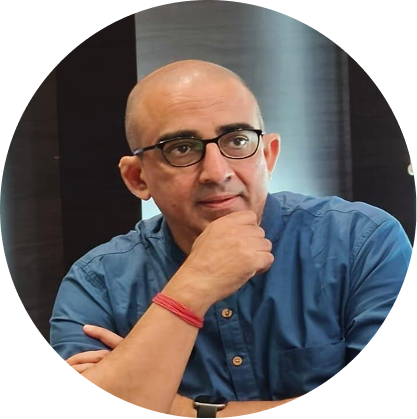
Partner, IIM-A Ventures


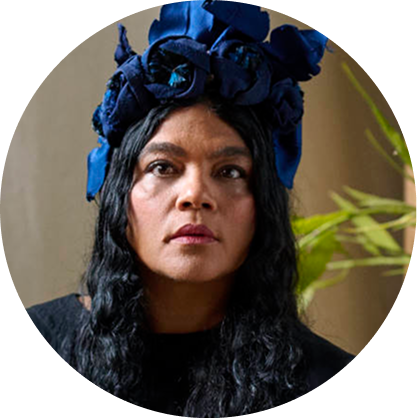
Founder, IOWEYOU.CC and XTANT.IO

Founder, R.I.S.E Artisan Fund

Editor,
ELLE DECOR, India

Business Lead,
Aadyam Handwoven,
An Aditya Birla Initiative

Founder, Baro Market & Gallery 47A

Executive Director, International Folk Art Market, Santa Fe

Executive Director, Indian Institute of Crafts and Design, Jaipur

Founding Member and Creative, Talented.Agency


Co-Founder of
Peepul Tree

Chief Community Officer, Rohini Nilekani Philanthropies



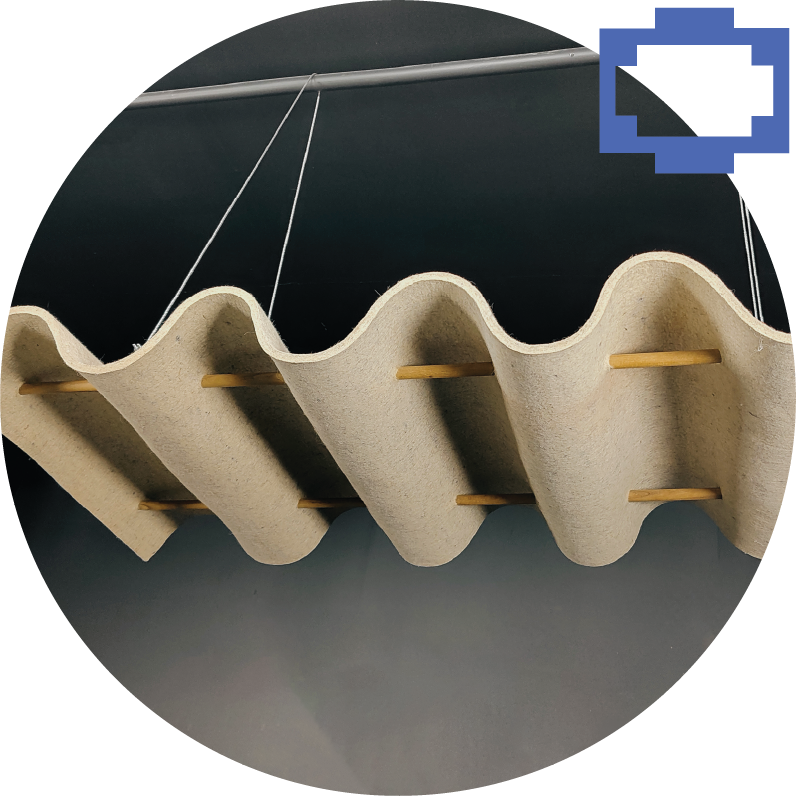
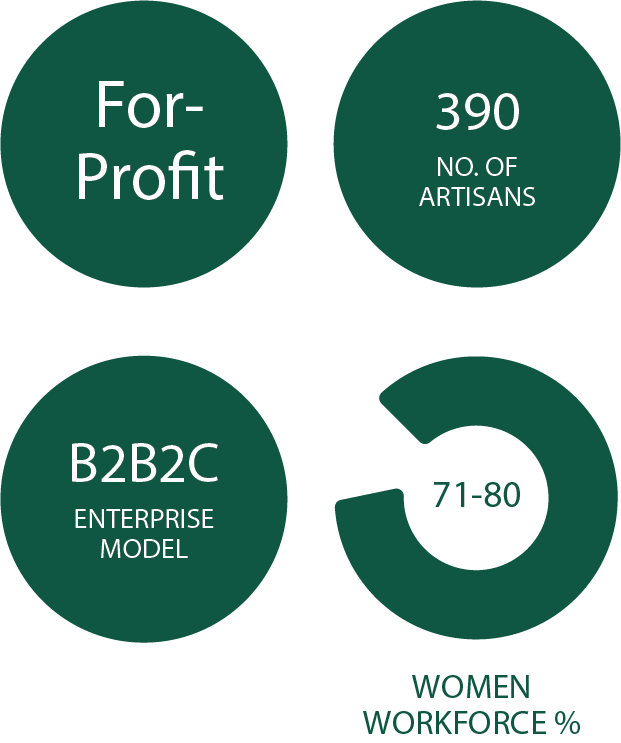
The Wool Knitters is revitalising Himalayan wool traditions by building a circular value chain around local fibres. Rooted in community and craftsmanship, it empowers rural artisans through sustainable livelihoods while preserving rare hand-spinning, weaving, and Tsug den techniques.
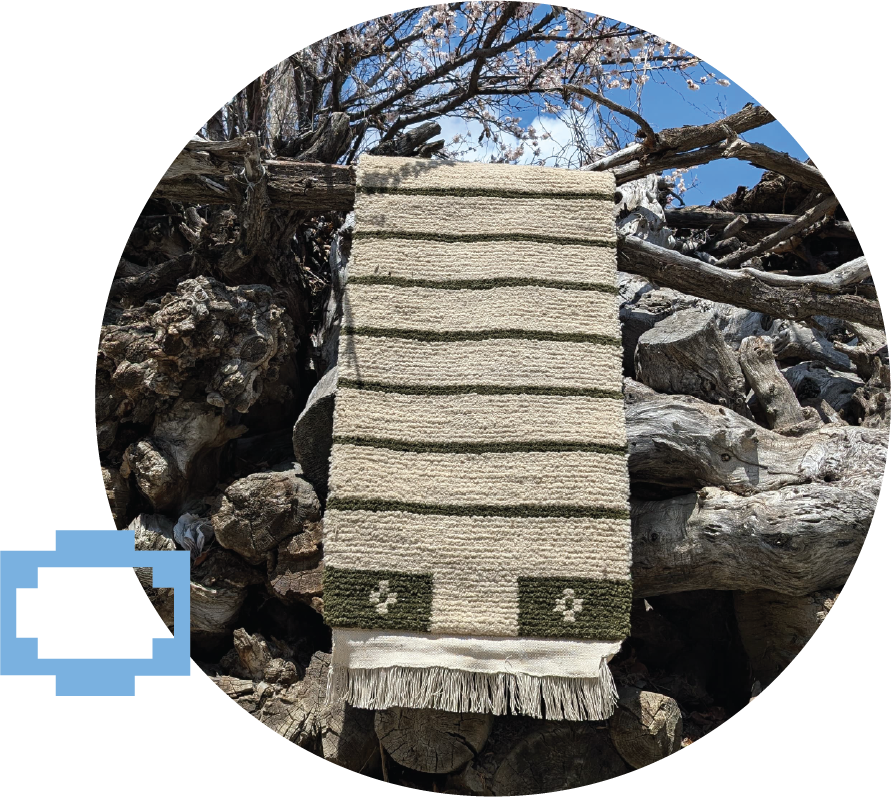

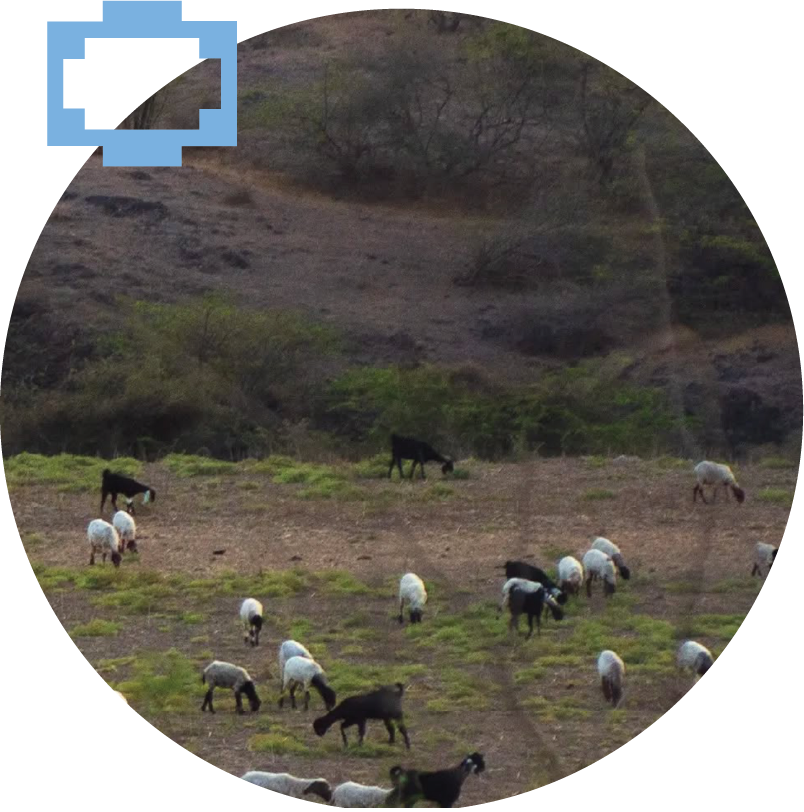
Samakhya revives traditional pastoral fibre knowledge by transforming indigenous wool into climate-friendly insulation. Partnering with over 500 nomadic sheep herders in underserved regions, it creates sustainable livelihoods, restores value to rural wool economies, and integrates artisanal craft into modern, high-performance building materials.

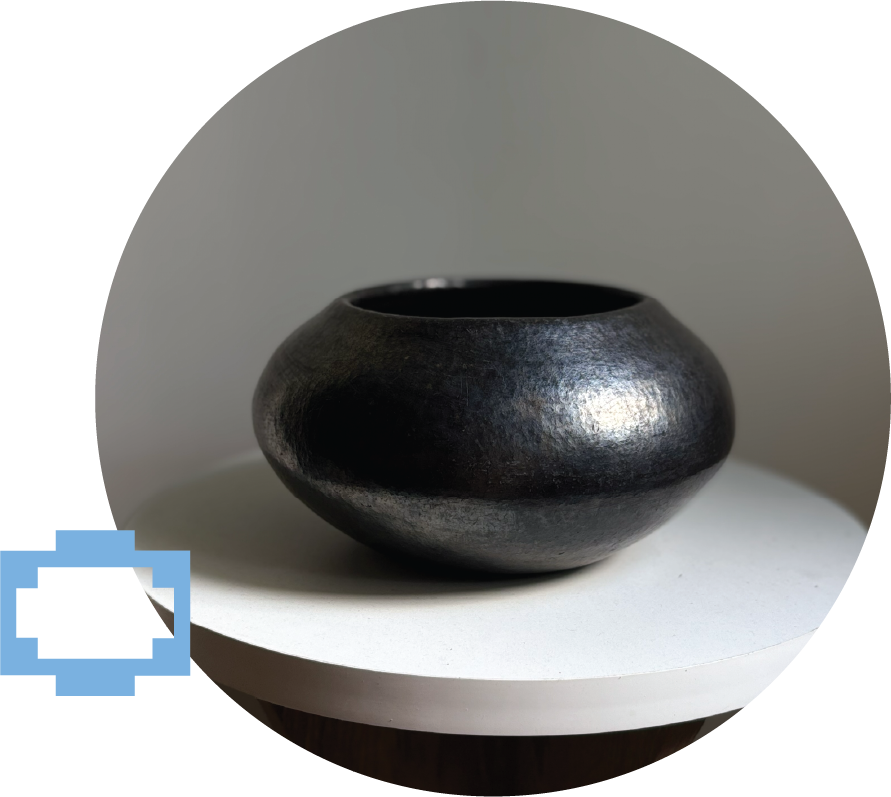
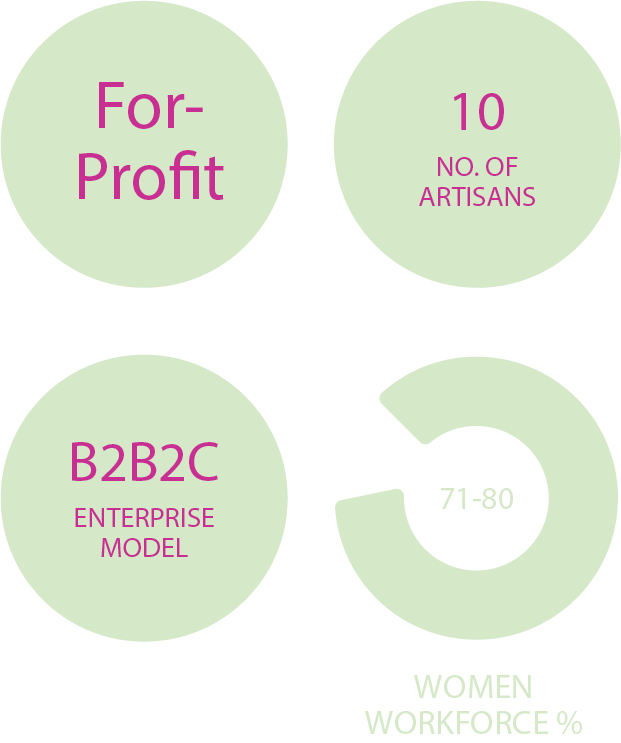
October Pumpkin-shi Pvt Ltd produces soy candles housed in handcrafted Longpi Black Pottery jars made by Tangkhul Naga artisans. They preserve the craft, generate artisan income, and deliver sustainable, premium home fragrance products.

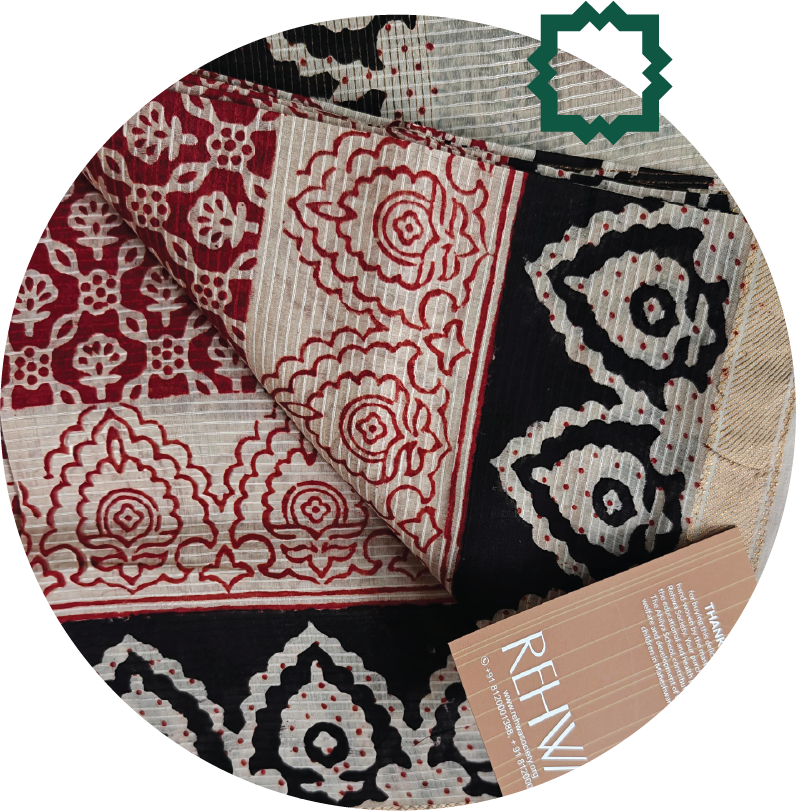
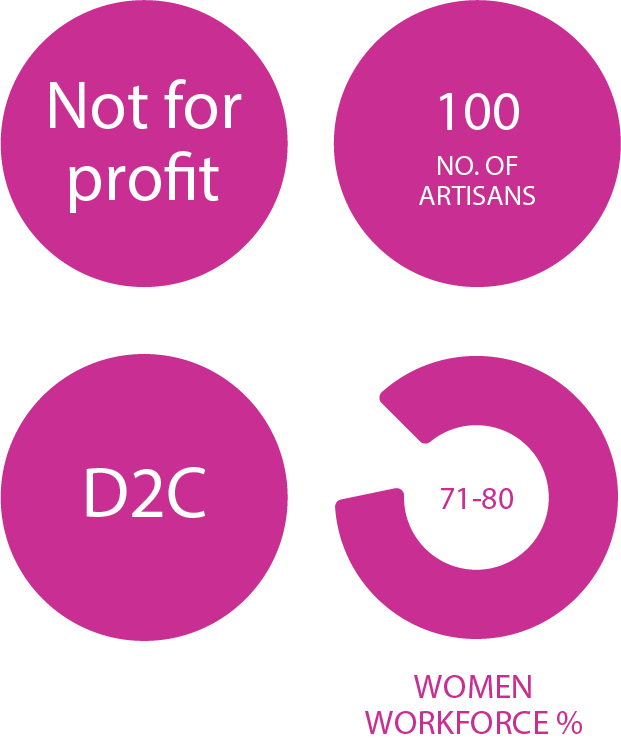
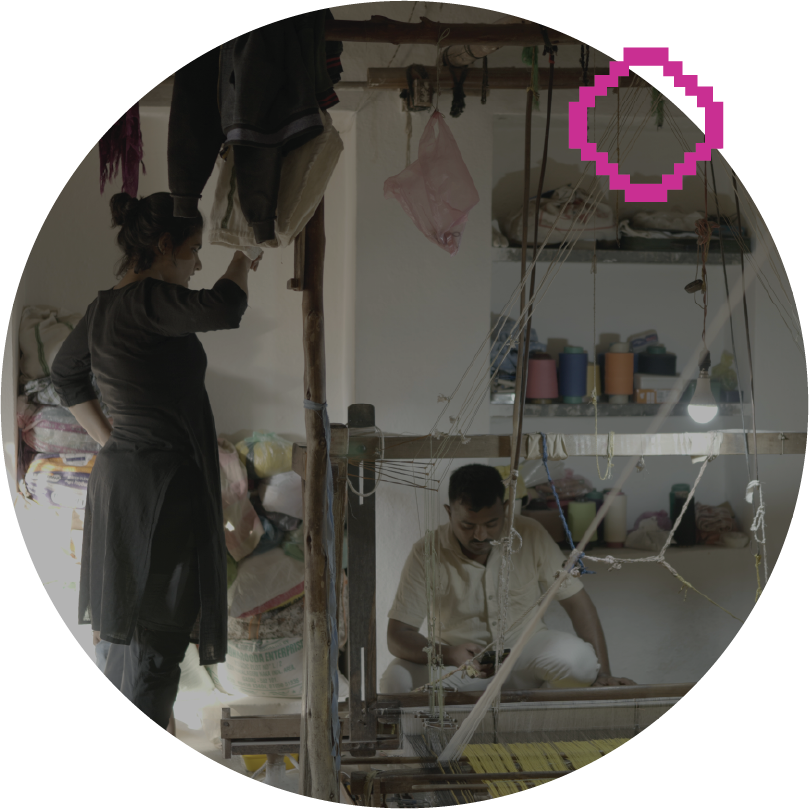
Established in 1978 by the Holkar Royal Family, REHWA Society preserves Maheshwari handloom textiles and revives rare weaving traditions like Garbh Reshmi. Working with fewer than 200 weaving families, many of whom descend from artisans once patronized by Devi Ahilyabai, REHWA provides women artisans with sustainable, skill-based livelihoods while safeguarding a centuries-old craft heritage.
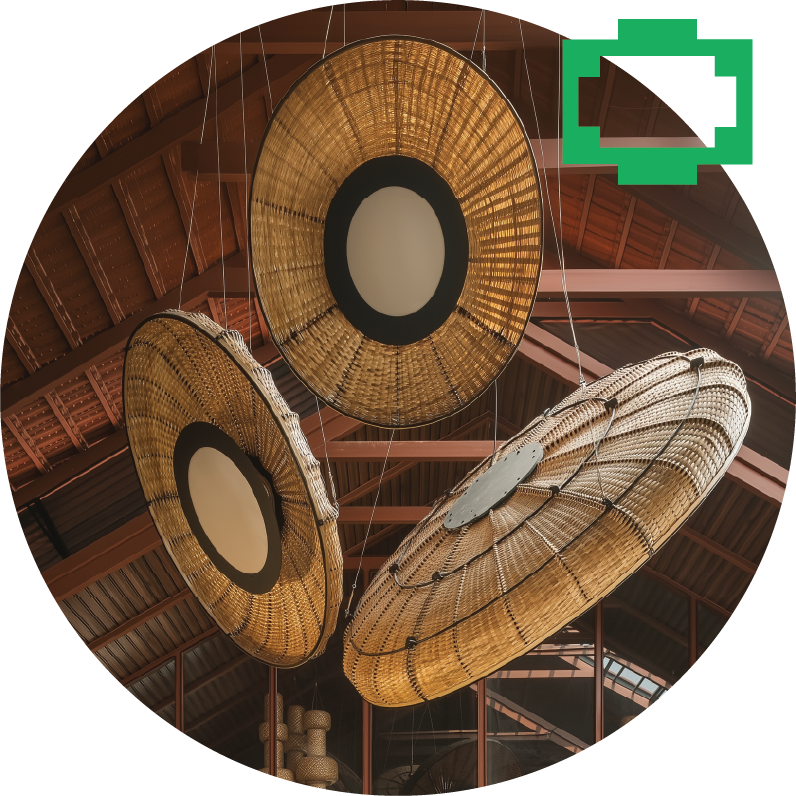
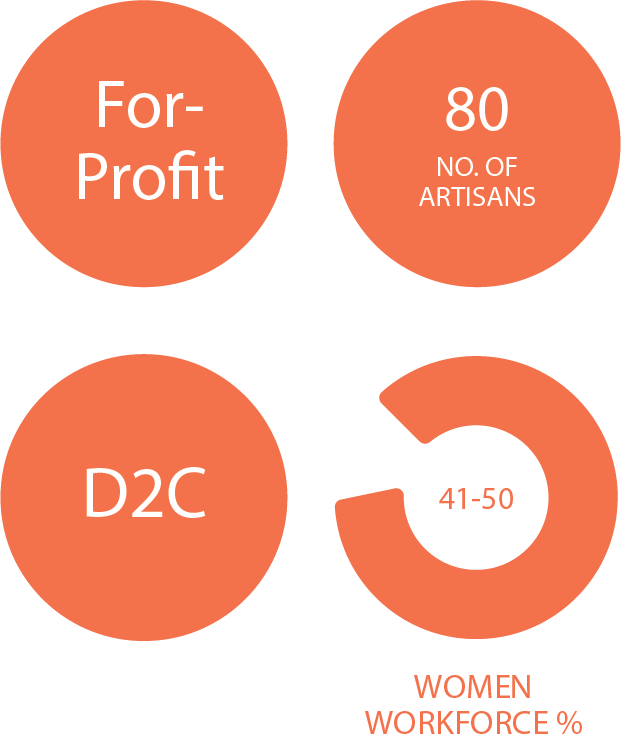
Mianzi revives traditional bamboo craft by combining heritage techniques with design-led interventions, CAD tools, and modular craft kits. Working with women artisans and rural communities in Madhya Pradesh, it enables home-based production of high-quality furniture and lighting for global markets, strengthening livelihoods, preserving endangered skills, reducing waste, and building sustainable, future-ready craft ecosystems.
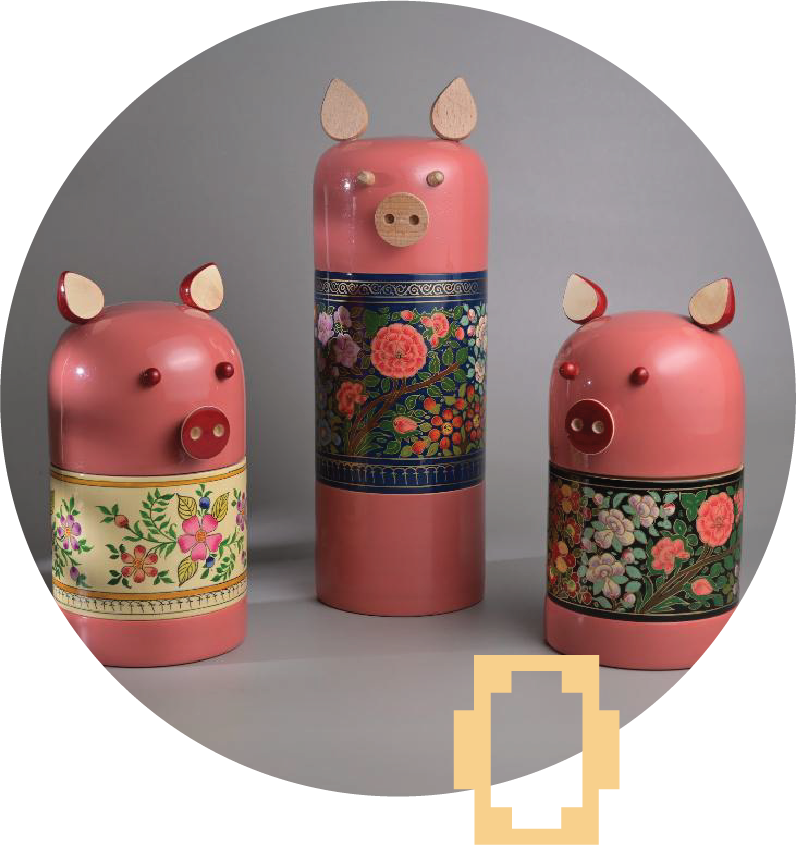
Varnam Craft Collective reinterprets traditional Indian crafts with a playful, contemporary aesthetic. Beginning with Channapatna’s 200-year-old toy-making tradition, it now collaborates with communities across regions from Kashmir and Sitlingi to Rajasthan, Uttar Pradesh, and West Bengal. Through story-led, functional collections, Varnam revives endangered crafts, strengthens livelihoods, expands markets, and builds resilient, future-ready craft ecosystems.
KASKOM revitalizes India’s indigenous rainfed cotton systems, producing chemical-free, handspun, and handwoven fabrics. It supports farmer-owned enterprises, ensures fair incomes, and promotes low-carbon, sustainable textiles while preserving traditional seeds and weaving practices in rural communities.
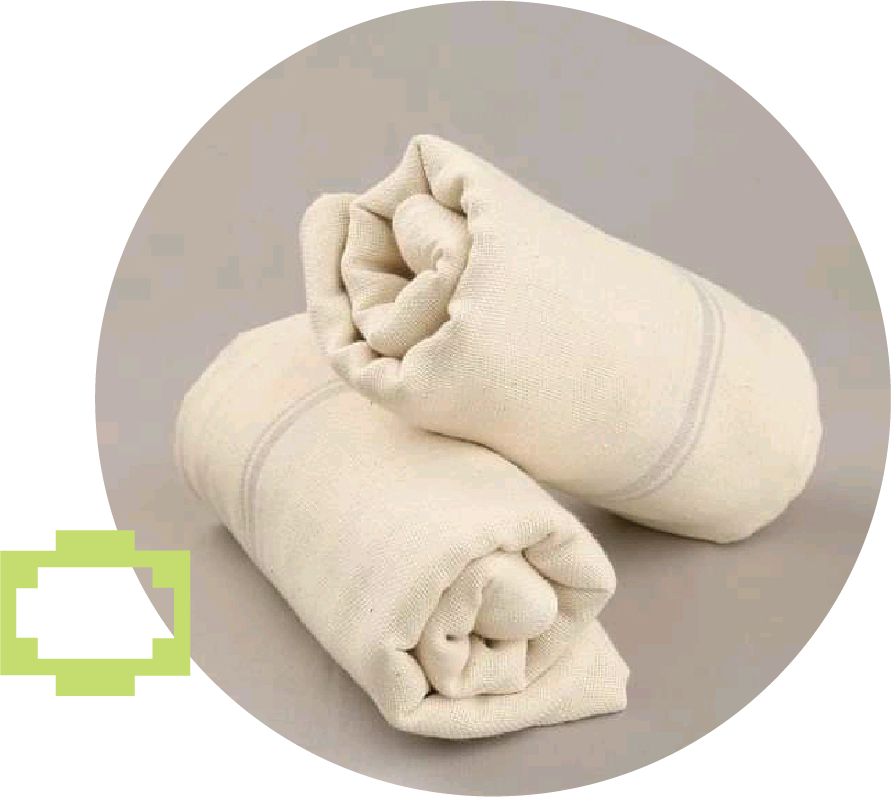
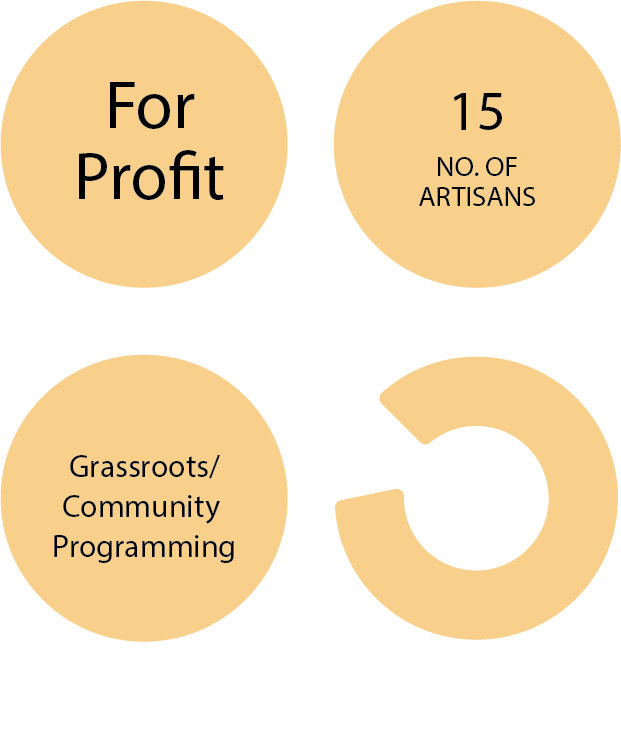
Kaayaka Craft & Livelihood Foundation empowers 125 women artisans in northern Karnataka, reviving Ilkal and Khana weaving and Khowdi handquilting. Its brands, Kubsa and Tavaru, deliver heritage sarees, apparel, and home products while sustaining artisan livelihoods.
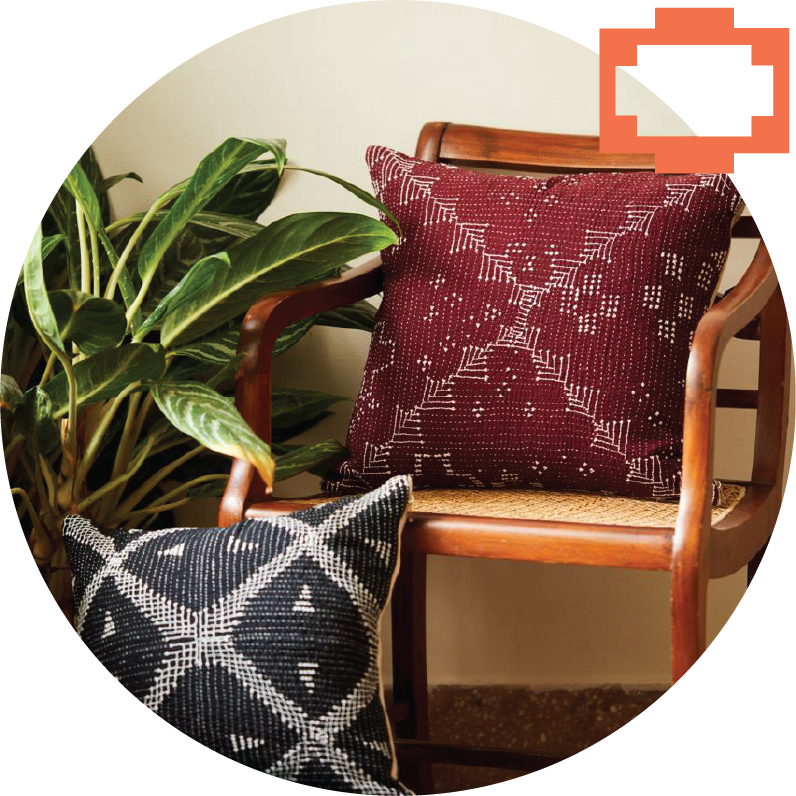
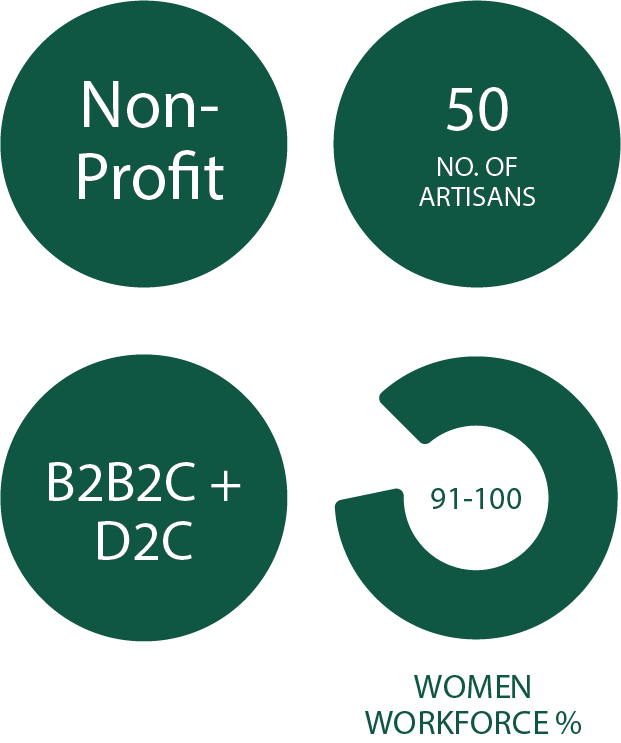
Pari Handloom works in the extra-weft weaving tradition, known for its detailed motifs and cultural symbolism. Using Kala cotton and Desi wool, it handweaves high-quality textiles ranging from sarees and dress materials to home furnishing fabrics. The practice keeps ancestral weaving alive while building an independent craft-led livelihood rooted in Kutch’s textile heritage.
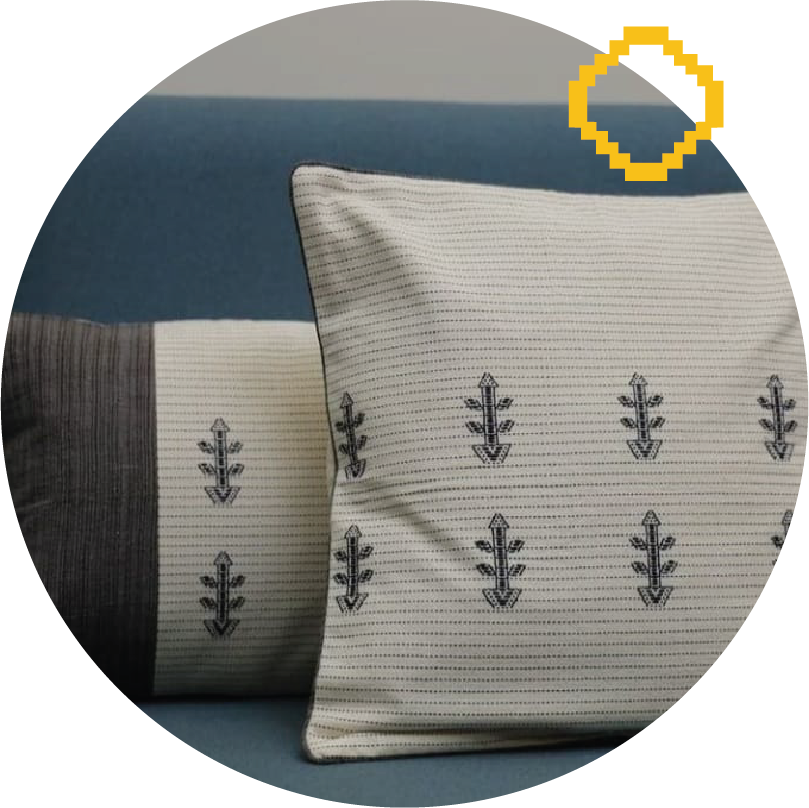

Vidyashree is from Shivapete village in Belagavi, where weaving has been a family tradition for generations. She learned to weave from her parents and spent years making shirt fabric and towels before marriage interrupted her work. She eventually returned to the loom alongside her father-in-law as a wage worker with the Karnataka Handloom Development Corporation. Today, she creates women’s apparel in fine and brown cotton and is growing as an independent weaver.
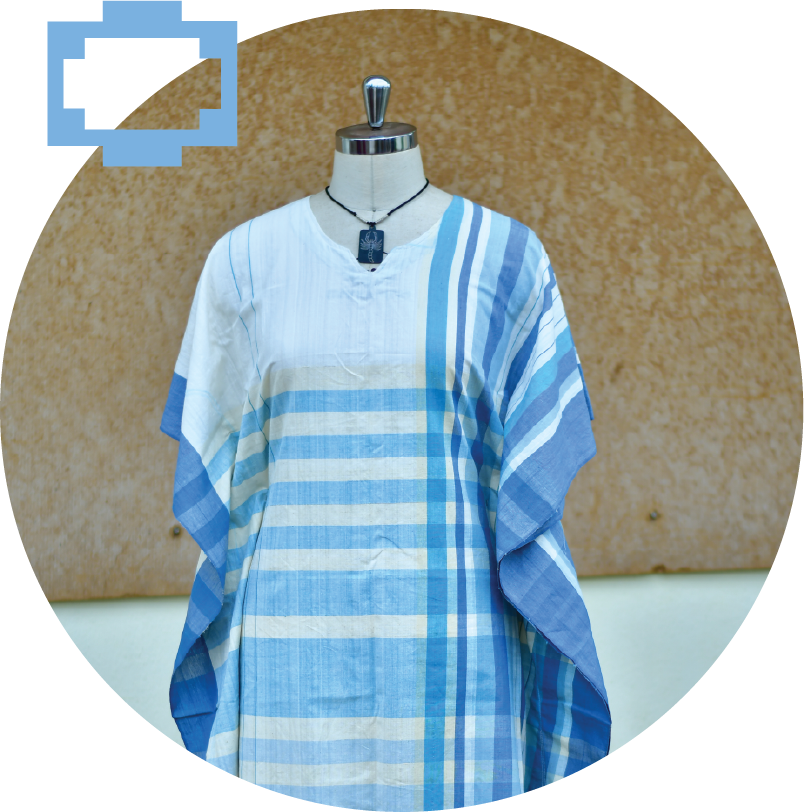

Practicing terracotta pinch pottery since the age of three, Dolon now teaches this tactile, wheel-free craft to 350 people. She passes on the joy of shaping clay by hand and keeping an ancient tradition alive through community learning.
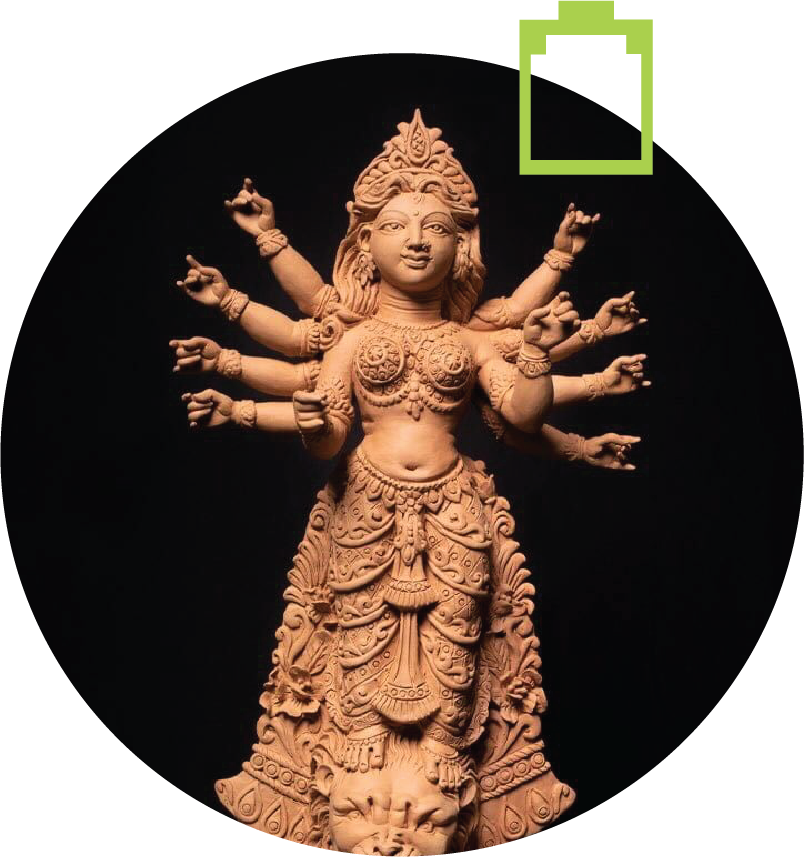
Six Brothers Glass Artist brings a bold twist to Firozabad’s glass craft by pairing flamework and hand-blown techniques with intricate threadwork to create striking, fashion-forward jewelry proving heritage glassmaking can compete in today’s global design scene.
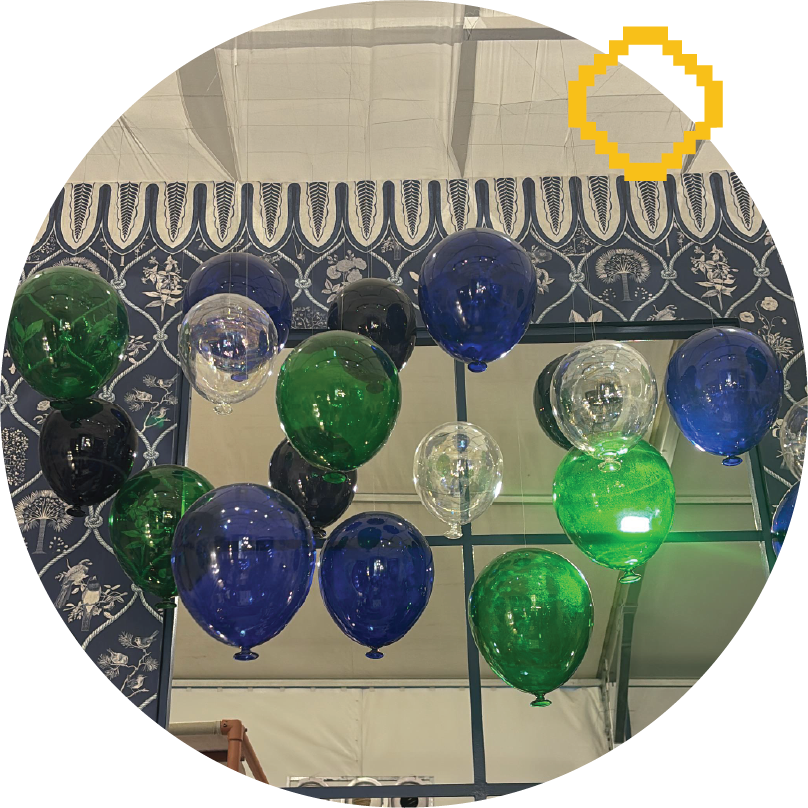
Pusaaka is a D2C platform and production company transforming India’s traditional crafts into globally relevant, limited-edition wearable art. It partners directly with master artisans, combining sustainable materials, design intervention, and skill development to preserve heritage while creating premium market opportunities.
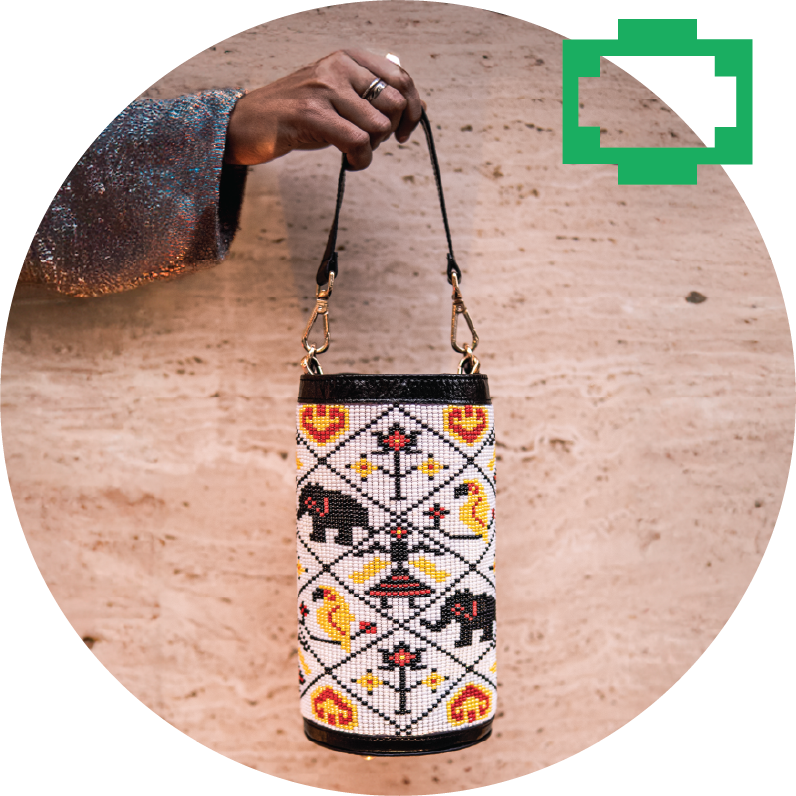
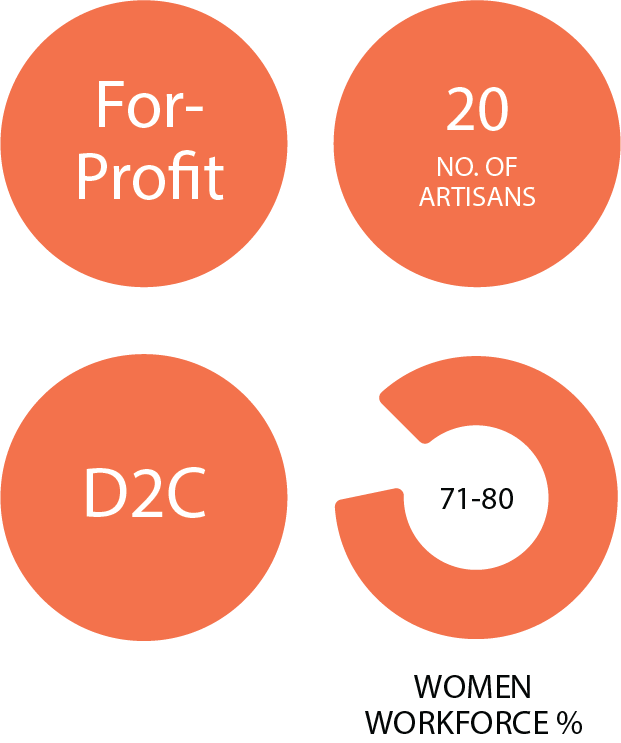

new•blue is a craft innovation and circular design company creating contemporary furniture and objects by reviving 18th-century crafts like Jaipur Blue Pottery. It transforms industrial waste into functional, heritage-inspired pieces, bringing traditional techniques with material innovation.
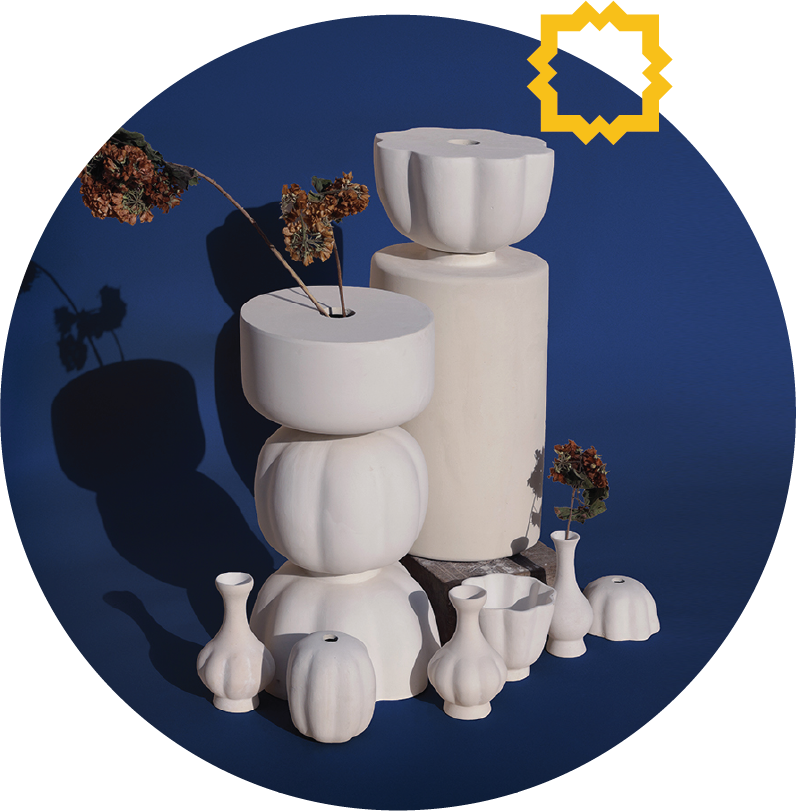
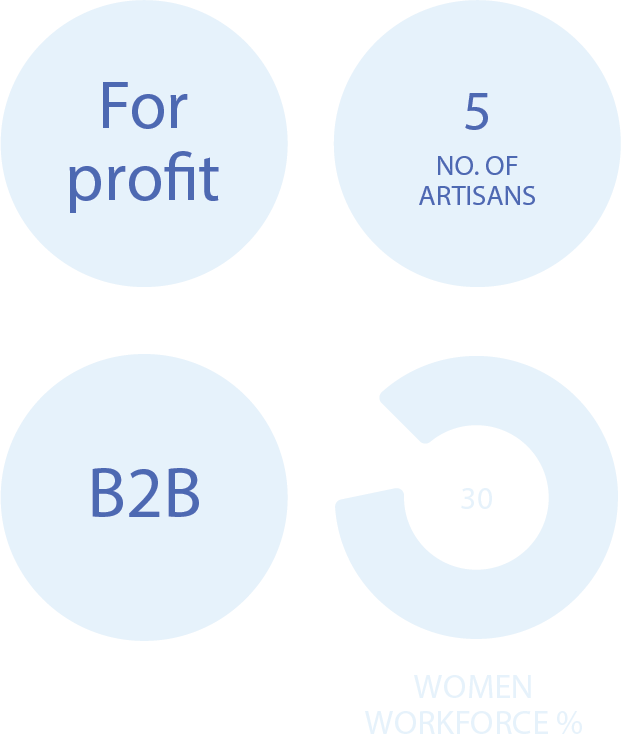

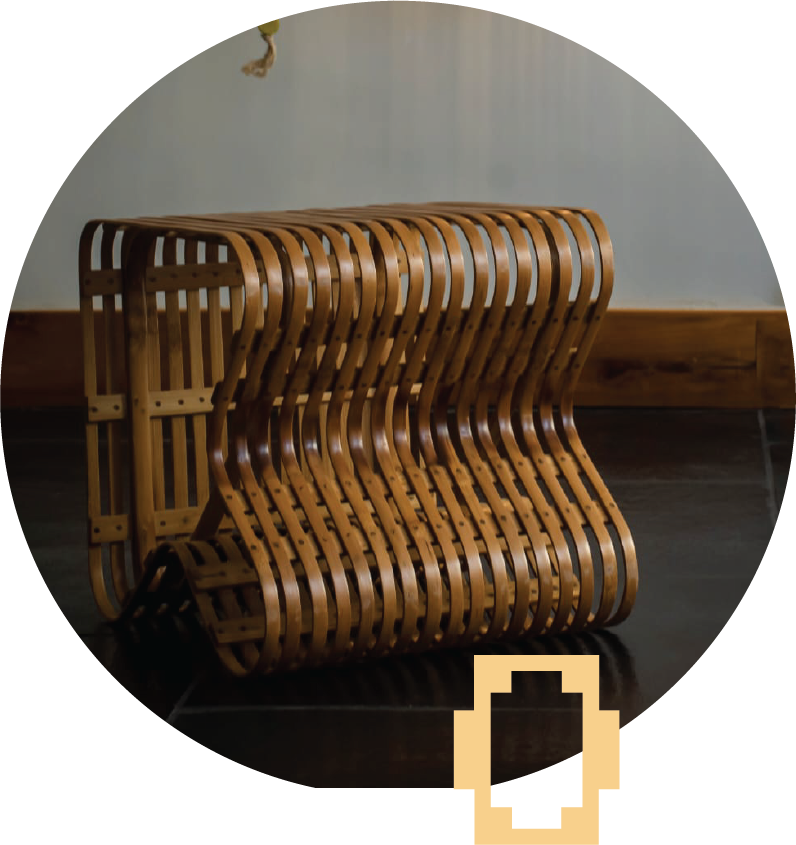
Tokar Sustainable Designs creates contemporary, flat-pack bamboo furniture that is lightweight, durable, and eco-friendly. Partnering with Kotwalia artisans from South Gujarat, Tokar combines design innovation with traditional skill to promote sustainable living and dignified livelihoods for indigenous communities.
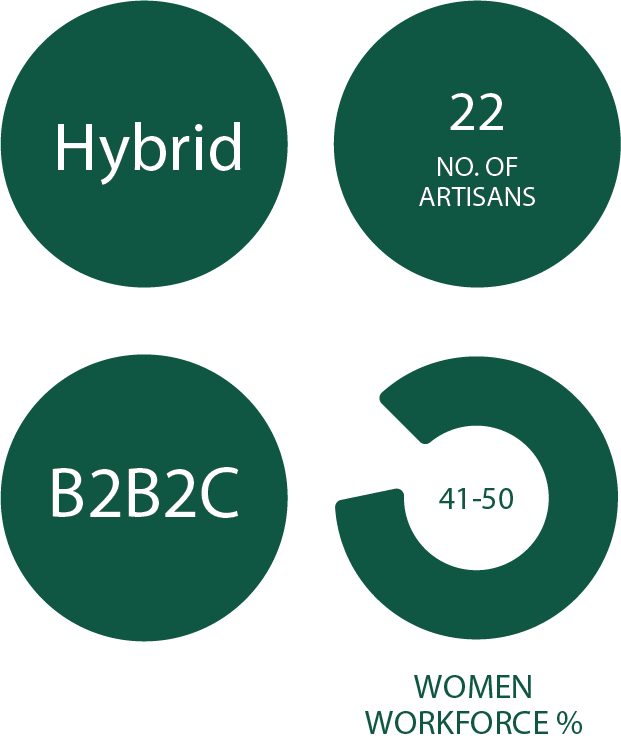
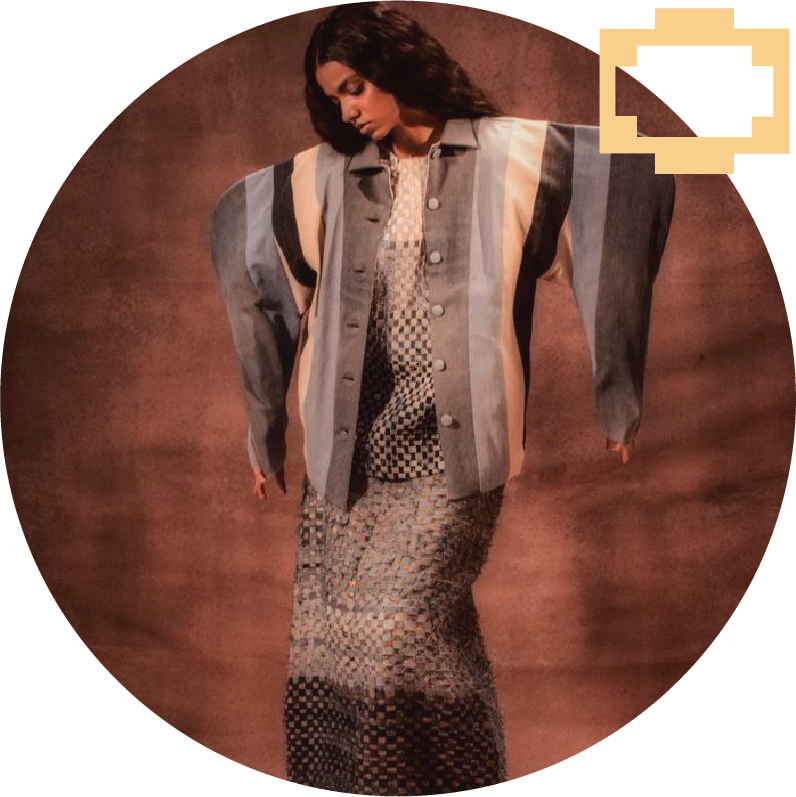
Anam Husain works with Indian artisans to create unique, contemporary wearable art. By introducing design interventions in traditional crafts and fashion waste, the brand revitalizes craft clusters, supports livelihoods, and makes artisanal products relevant to modern, conscious consumers.
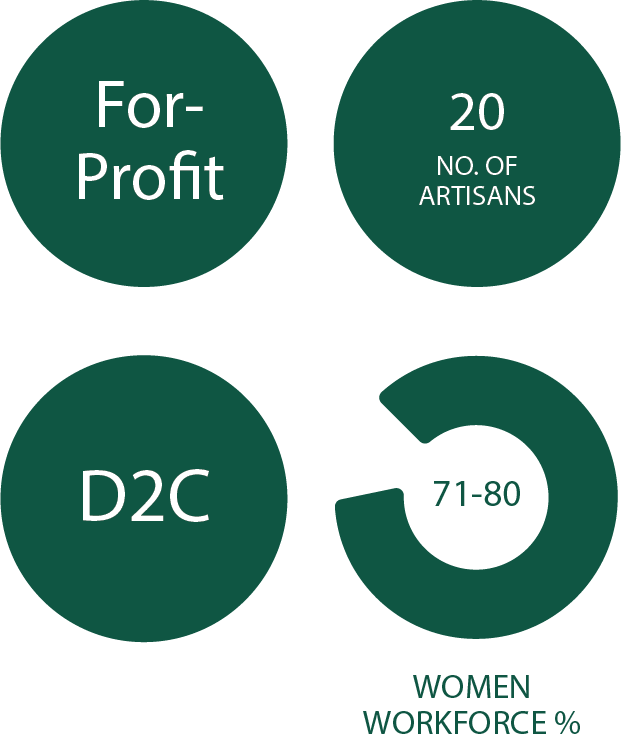
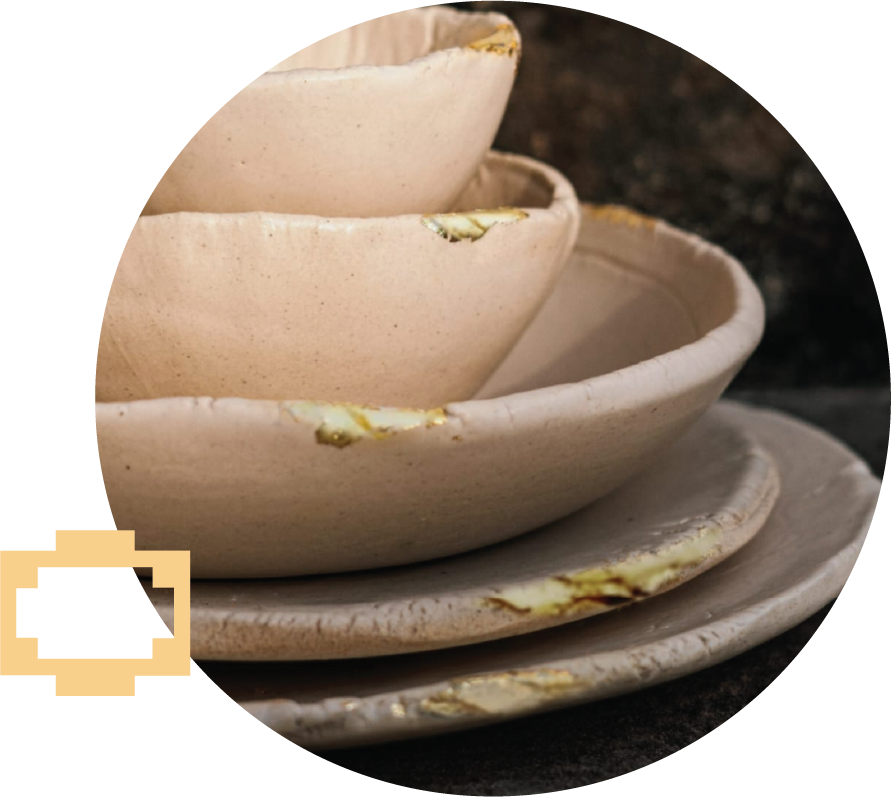
The Creative Platter is a women-led artisanal tableware brand redefining modern dining through handcrafted ceramics and mixed-material design. Rooted in sustainability and storytelling, it empowers rural women artisans to marry India’s craft heritage with contemporary global aesthetics.
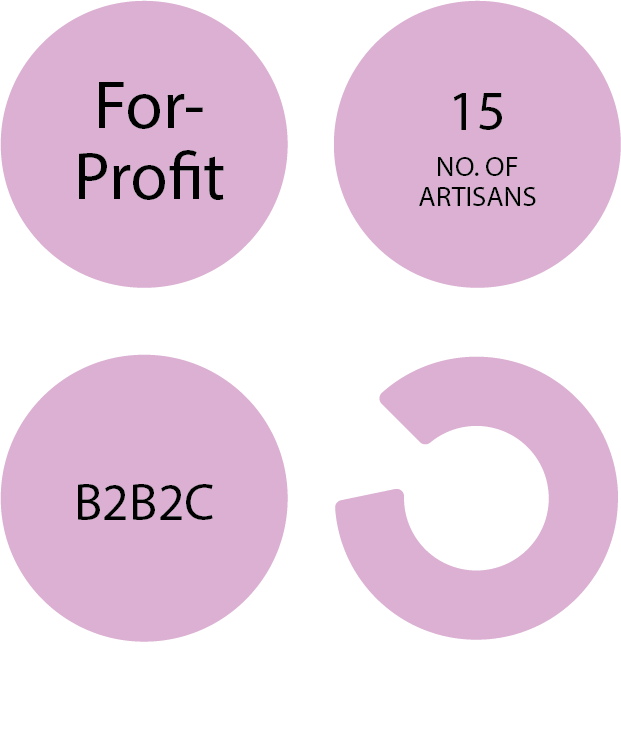

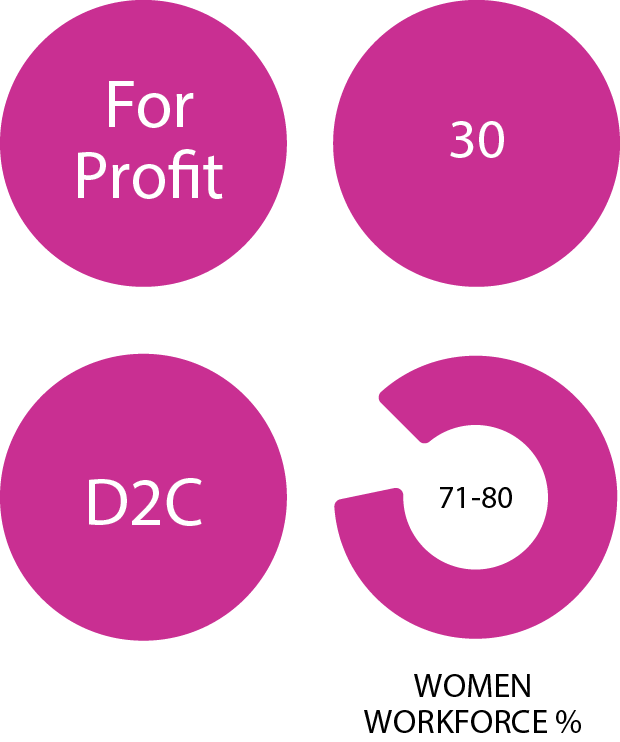
Earthen Tunes creates sustainable footwear from indigenous Desi Oon blankets, responsibly sourced from pastoral and weaving communities. By combining traditional materials with contemporary design, it supports artisans’ livelihoods while offering eco-friendly, cross-subsidized shoes for both urban consumers and rural farmers.
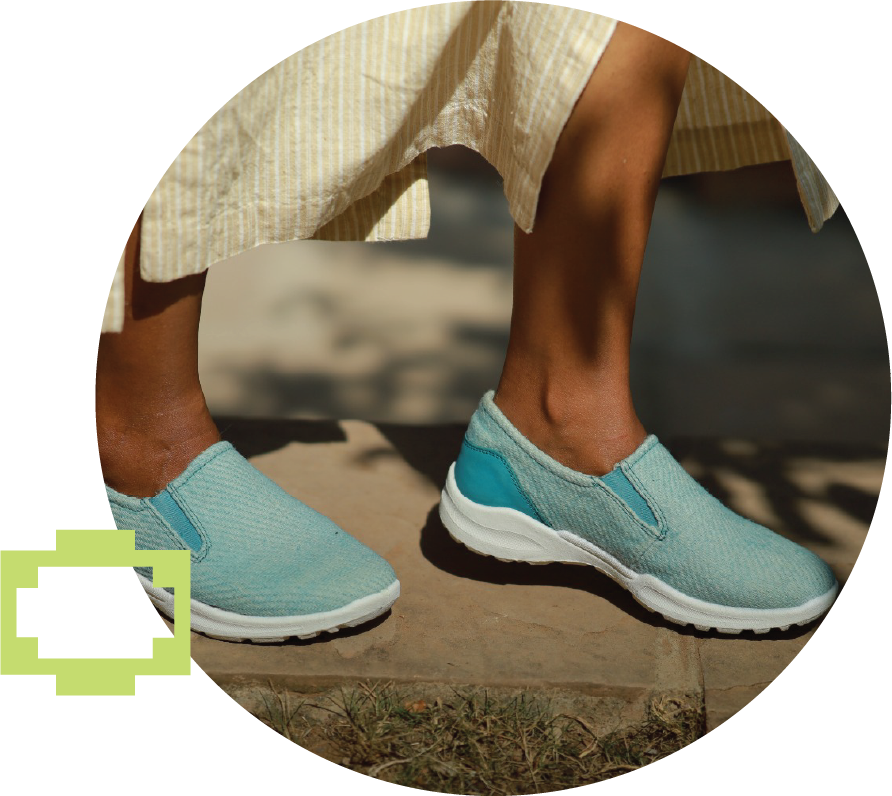

Green Hermitage is a women-led luxury brand specializing in handcrafted handbags and travel accessories made from apple, cactus, and coconut leather. It empowers women artisans in India, delivering durable, eco-conscious products that merge contemporary design with sustainable plant-based materials.
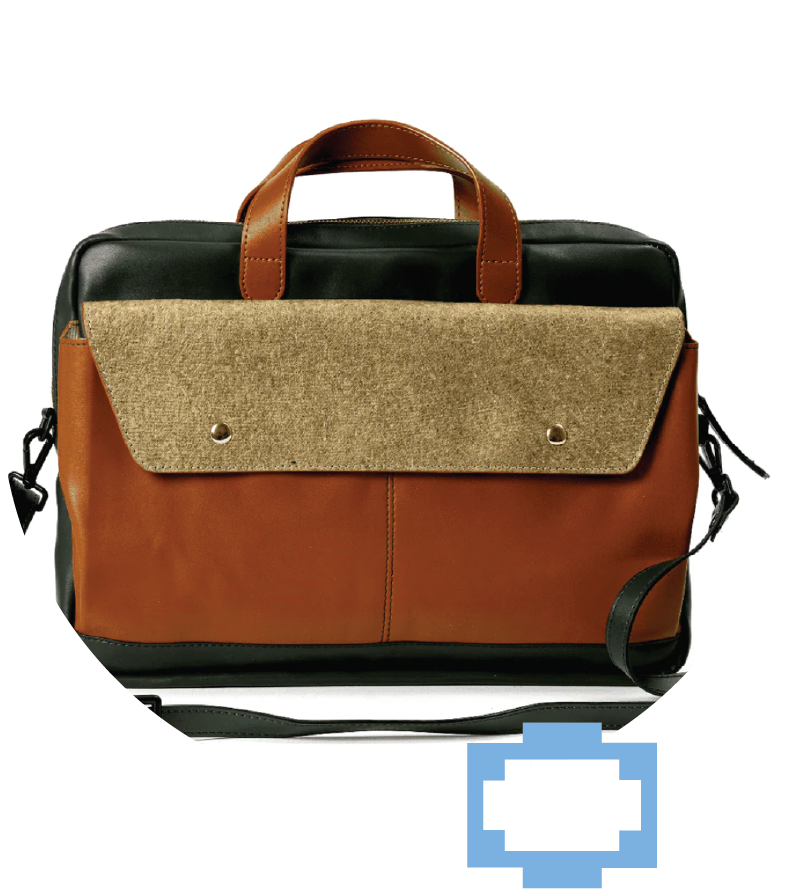
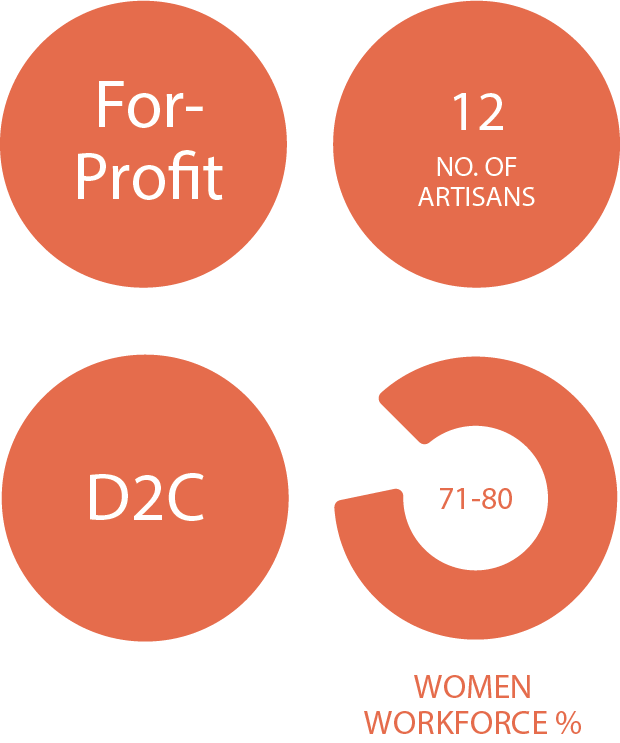
Green Hermitage innovates by developing plant-based leather alternatives to conventional and synthetic leathers. Its products minimize environmental impact, eliminate animal exploitation, and incorporate slow-fashion principles, while supporting women artisans. They transform sustainable materials into stylish, premium, and globally relevant luxury accessories.







Project Folk-Log revives Indian folk stories through an interactive edu-tainment platform that combines regional art forms with craft. It fosters cultural learning, family engagement, and crafts-based employment for marginalised communities, connecting traditional artisans, urban unskilled labour, and students in a self-sustaining loop of skill-sharing and livelihood creation.
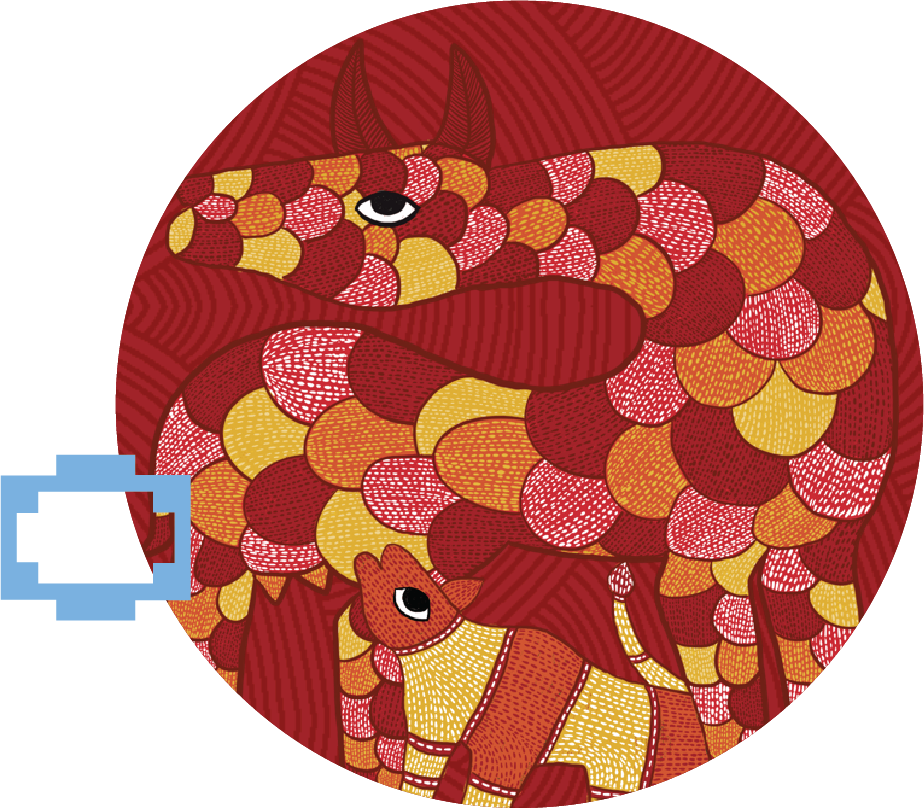
Dipra Arora is an industrial designer from the National Institute of Design, Ahmedabad, specializing in ceramic and glass design. Her work focuses on creating meaningful designs that connect with people, working at the intersection of community, systems design, and co-creation. She explores how design can foster participatory, inclusive, and sustainable futures.
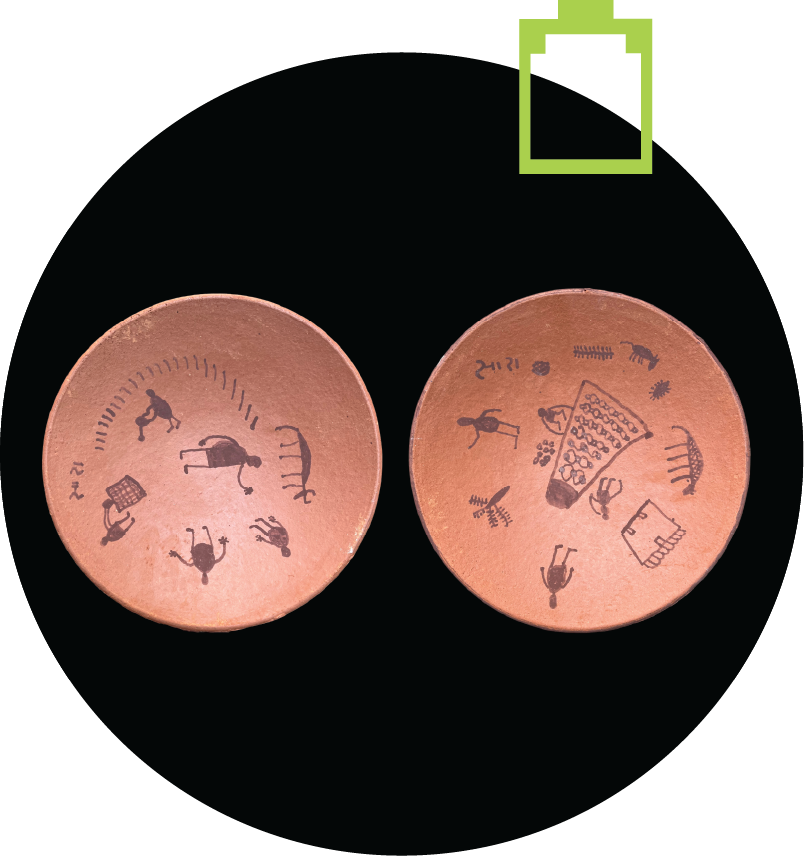

Nidhi Kamath is a National Award-winning filmmaker and founder of Indigo Reels, with over 13 years of experience creating films on Indian crafts and artisans for clients including Architectural Digest and BBC Storyworks. Her work focuses on visual storytelling that drives tangible social and environmental impact. She has been awarded the People’s Archive of Rural India Fellowship, Tata Travel Grant, and the British Council’s Crafting Futures program.

Rujuta Doshi is a documentary filmmaker and founder of Reels with Purpose, using visual storytelling to amplify marginalized voices and drive social change. Her work centers craft ecosystems, gender equity, and community-led innovation, demonstrating how stories can generate social and economic impact.


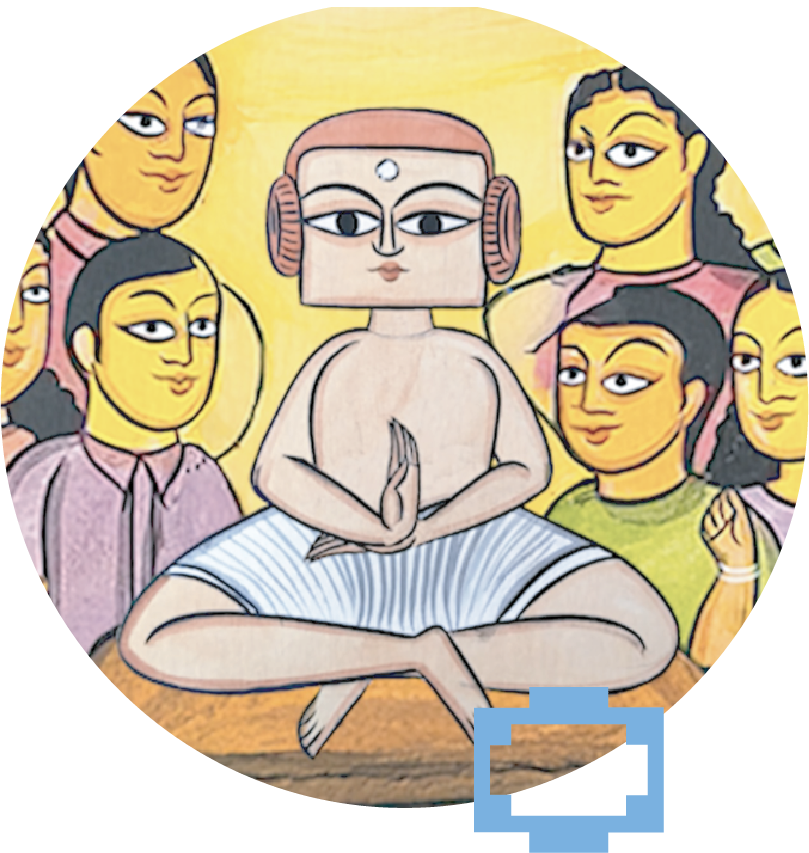
Likla Lall is an award-winning children’s book writer, author of Art is a Verb, Somnath Hore: Wounds, and Abanindranath's House of Stories. She collaborates with Antariksha Studio and Bengal Patachitra artists to bring folk stories to life through animation and transmedia experiences, blending traditional storytelling with contemporary media. Antariksha Studio, led by creative directors Avinash Kumar (Thiruda) and Sri Rama Murthy (Murthovic), creates video games, films, installations, and performances rooted in India’s multicultural heritage.




.svg)

Your chance to back bold changemakers reviving India’s craft heritage with purpose and pride.
Support our crowdfunding campaign — co-create a legacy that endures.



Editions

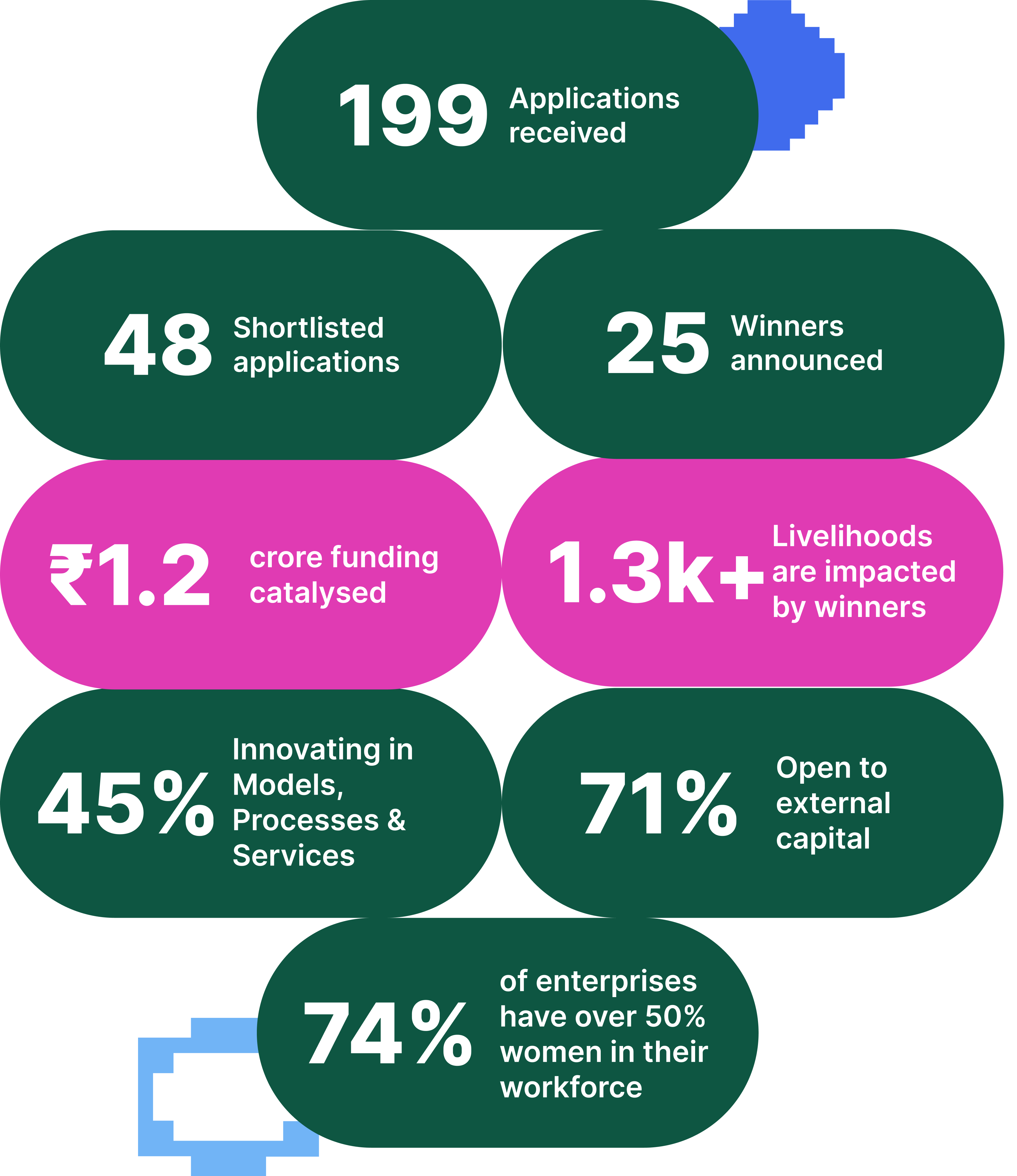
Applications

Capital mobilised

Innovators supported

Livelihoods impact

Women-led businesses
Circular Design, Clean Energy, Impact Media, Craft Revival 2.0, Artisan-led Innovation
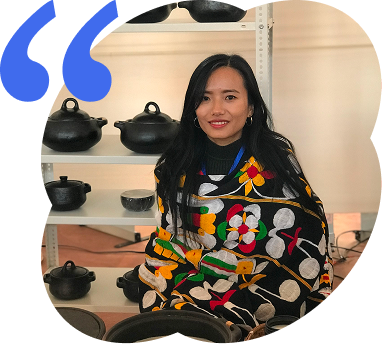
Thank you to the Kula team for recognizing our work to preserve indigenous craft and strengthen livelihoods, and for motivating us to keep pushing forward with purpose.
Director, October Pumpkin-shi Private Limited
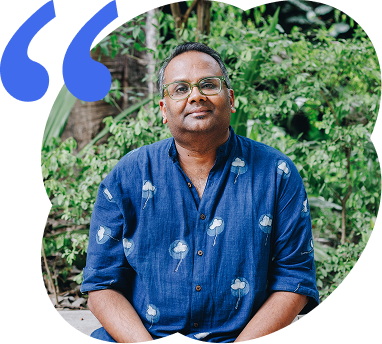
This encouragement means a lot to grassroots social enterprises like ours, and the beautifully curated gathering left us inspired to do better.
Founder, Varnam Craft Collective

The highlight for me at Kula? One-on-one mentorship from generous industry stalwarts.
Founding & Creative Director, Pusaaka Ventures
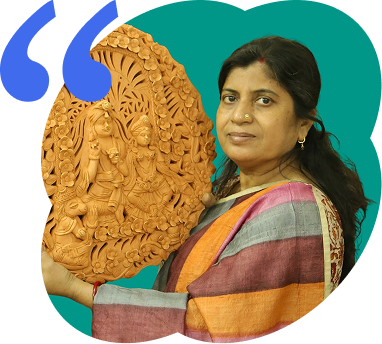
With determination and the right support, we can achieve our dreams. I'll keep striving to make a positive impact in the terracotta world.
Maarttikee
Participating in Kula Innovate 2025, and winning an award, was a truly transformative experience. Kula creates a vital space where key players collaborate and benefit from shared knowledge.
Founder & Creative Director, Kubsa

Winning the Artha Impact Award at Kula Innovate 2025 was a crucial milestone in our startup journey. The platform enabled us to showcase our ideas and products to VCs, investors, and the wider ecosystem, leading to institutional funding and valuable network visibility.
Founder & Director, Golden Feathers

As part of the Earthbound-supported Accelerator through Kula Innovate, I was grateful for the opportunity to add a perspective on the collaborative role media can play, while engaging with tradition, sustainability, and innovation that shape our collective futures.
Storyteller at Khel Theory
Receiving the award at Kula not only gave me fresh ideas but also the courage to take my work foreard in new and meaningful directions.
Artisan Innovator, HDC Bhujodi



Join us in shaping
‘Handmade 2.0’
Be part of our growing circle of visionary partners — funders, founders, mentors, and innovation champions — powering India’s handmade revolution.




Sign up for Kural, our newsletter for exciting news and updates